
First-party customer data is information a business collects directly from people who interact with it. For a local business, that may include a customer's phone number, email address, visit history, preferences, survey response or content submission. It matters because the business can use permission-based data to communicate directly instead of relying entirely on social networks, marketplaces or advertising platforms.
What Is First-Party Customer Data and Why Does It Matter?
First-Party, Second-Party and Third-Party Data
First-party data comes directly from your own customers and interactions. Second-party data is another organization's first-party data shared through an agreement. Third-party data is aggregated from outside sources and sold or licensed to businesses that did not collect it directly.
For most local businesses, first-party data is the most strategically useful because it reflects a real relationship: a visit, reservation, purchase, inquiry or in-store experience. The business still needs a lawful basis, clear disclosure and appropriate consent for how that information will be used.
Examples of First-Party Data for Local Businesses
- Phone numbers and email addresses provided through an opt-in form.
- Reservations, purchases, appointments and visit history.
- Loyalty activity and offer redemptions.
- Survey responses, preferences and customer feedback.
- Photos, videos and testimonials submitted through a branded experience.
- Consent records and communication preferences.
Why First-Party Customer Data Matters
You Build an Audience You Can Reach Directly
Followers and marketplace customers are valuable, but the platform controls access. A permission-based contact list gives the business a direct channel for relevant announcements, promotions, reminders and feedback requests.
Messages Can Be More Relevant
A useful customer record can help the business distinguish recent visitors from lapsed customers, birthday families from event attendees or hotel guests from restaurant diners. Segmentation makes communication more useful and reduces indiscriminate blasting.
Results Become Easier to Measure
When contact capture, campaign delivery and redemption live in a connected workflow, the business can learn which interactions create subscribers and which messages produce visits or bookings.
How to Collect First-Party Data Responsibly
- Offer a clear value exchange. Give the customer something useful, entertaining or convenient in return for engaging.
- Explain what is being collected. Use plain language near the form rather than hiding the purpose in distant legal text.
- Capture the permissions you need. Consent for receiving a photo is not automatically consent for every type of marketing message.
- Collect only what you can use and protect. More fields create friction and increase the responsibility attached to the record.
- Make preferences and opt-outs easy to manage. Honor customer choices promptly and keep suppression records accurate.
- Secure access. Limit portal permissions, train staff and follow the laws and industry rules that apply to your location and business.
From In-Store Traffic to an Owned Audience in Three Steps
1. Create a Valuable Interaction
Invite a guest to make a branded photo, AI transformation, GIF or short video that fits naturally into the experience.
2. Capture Contact and Consent
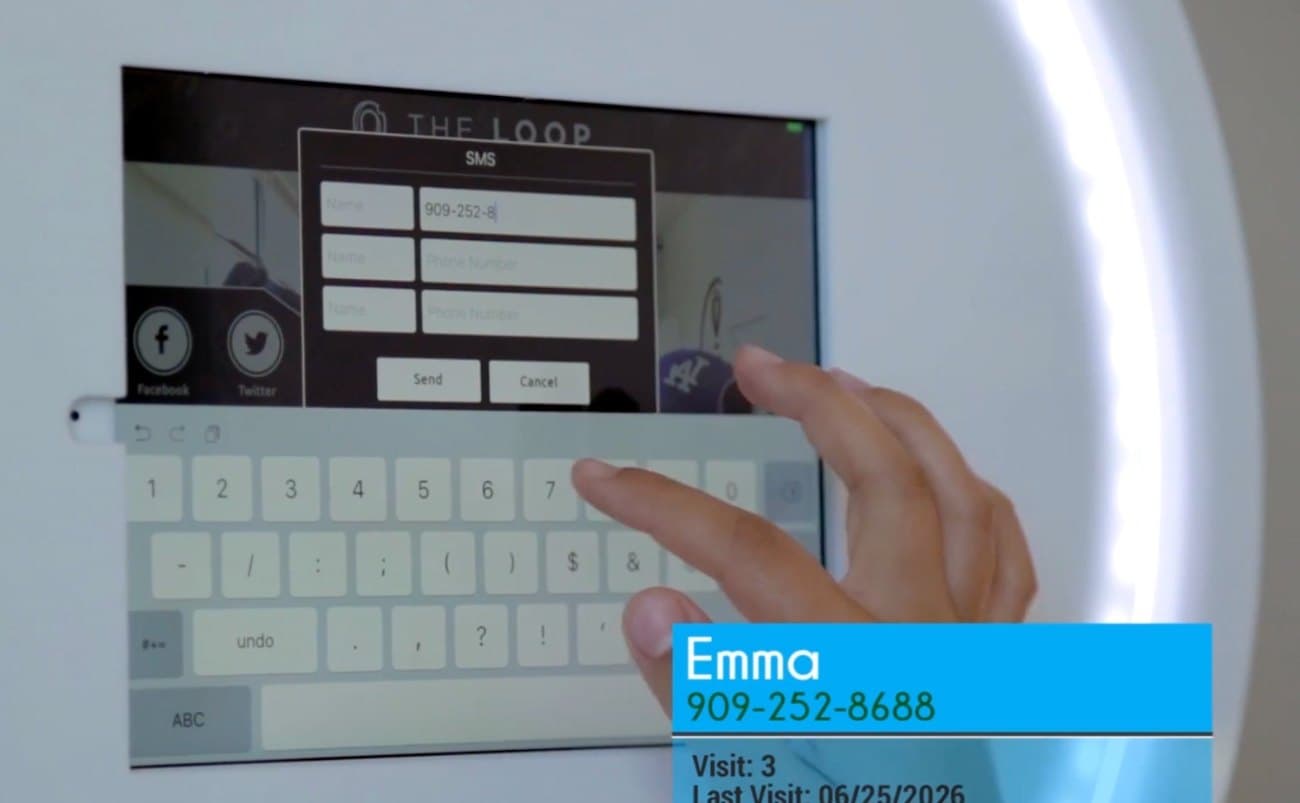
The guest enters a phone number or email to receive the content and makes the applicable communication choices. The business stores that interaction as a first-party record.
3. Activate the Relationship
Use appropriate segments to send offers, announcements, event invitations, review requests or re-engagement campaigns. Measure outcomes and adjust frequency based on response.
How BuzzyBooth Connects Capture and Activation
BuzzyBooth turns a fun customer experience into a practical contact-capture moment. The backend portal gives the business one place to access captured contacts, manage automatic follow-ups, create SMS campaigns, review customer-generated content and use Buzzy AI to draft ideas, images and copy.
The system reduces manual work, but the business remains responsible for its offers, message timing, consent configuration and final content.
What First-Party Data Can Produce
Hurricanes Bar & Grill built an audience of more than 14,997 customer contacts through guest interactions. Brandy's in New York collected approximately 1,300 contacts in two months, then invited 970 opted-in contacts to a World Cup event; 96 guests showed up and the venue reached capacity.
Those outcomes illustrate why contact capture is not merely database growth. Its value appears when the business uses permission-based contacts to create a relevant reason to return.
Common First-Party Data Mistakes
- Collecting contacts without a clear plan for using them.
- Treating every contact as if they have the same interests.
- Assuming one consent covers every channel and purpose.
- Sending too frequently or making every message a discount.
- Keeping duplicate, outdated or incomplete records indefinitely.
- Failing to restrict staff access or document opt-outs.
Frequently Asked Questions
Is a customer phone number first-party data?
Yes, when the customer gives the number directly to the business. How the business may use it depends on the notice, consent, channel and applicable law.
Is social media follower data first-party data?
The business may see information about followers, but the platform controls the relationship and access. A directly collected, permission-based contact record is generally more useful as an owned audience.
What is the best first-party data for a local business?
Start with the minimum information needed for a useful next step—often a phone number or email, consent status, location and the interaction that produced the contact.
Can first-party data be used for SMS marketing?
It can when the business has the appropriate consent and follows applicable messaging rules. A phone number collected only to deliver content should not automatically be treated as unrestricted marketing permission.
How does BuzzyBooth collect first-party data?
Customers enter contact information to receive the content they create through the BuzzyBooth experience. The business configures the experience and applicable consent flow, then manages contacts and follow-up in the portal.
Turn Customer Traffic Into a Permission-Based Audience
BuzzyBooth helps local businesses connect an engaging customer moment with contact capture and follow-up tools. Book a demo to explore a workflow designed around your locations and customer journey.