
Customer retention marketing is the practice of keeping existing customers engaged and encouraging them to buy, book or visit again. It uses customer data, timely communication, relevant offers and a consistent experience to strengthen the relationship after the first transaction.
What Customer Retention Marketing Is and How It Works
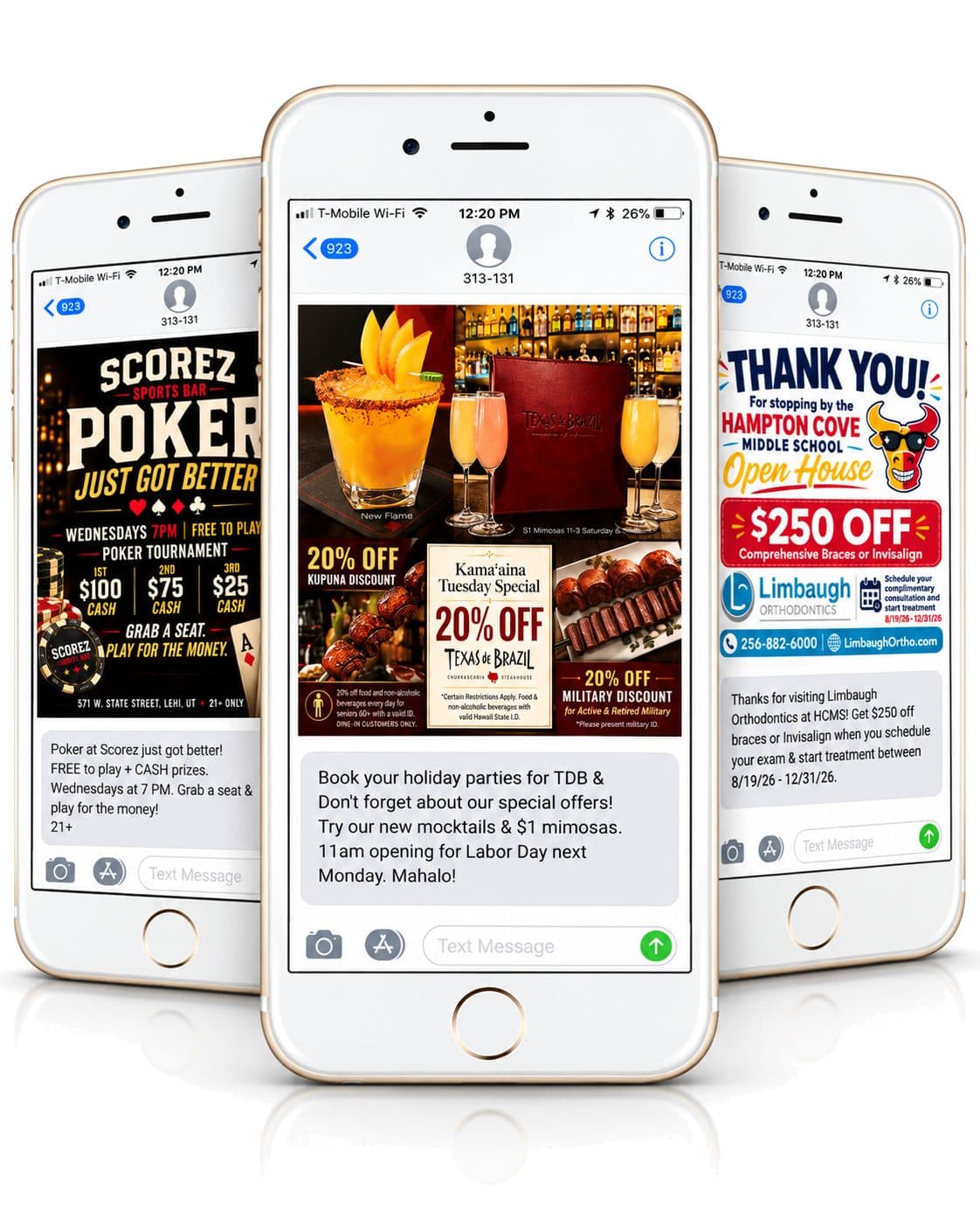
Customer Retention Marketing Explained
Acquisition marketing creates a first visit or purchase. Retention marketing creates the next one. The work begins when a business can recognize a customer, communicate with permission and provide a relevant reason to return.
Retention is broader than discounts. Service quality, convenience, customer recognition, useful communication, loyalty benefits and timely issue resolution all affect whether someone comes back. Marketing supports that relationship by keeping the business relevant between visits.
Why Customer Retention Matters
A business that loses contact with every customer after checkout has to win the same person again through search, social media or paid advertising. A permission-based customer audience gives the business a direct path to announce something useful and measure the response.
Retention also reveals whether the underlying customer experience works. Promotions may produce a temporary visit, but they cannot compensate indefinitely for poor service or an offer customers no longer value.
The Main Components of Retention Marketing
Customer Identification
The business needs an ethical way to recognize and contact customers. This may happen through a reservation, account, loyalty program, purchase record or voluntary in-store interaction.
Permission and Preferences
Customers should understand what they are joining and how to opt out. Channel preferences, location and relevant interests help the business avoid sending the same message to everyone.
Relevant Follow Up
The follow-up should match the relationship. A recent visitor may receive a bounce-back offer, while a long-time customer may value early access, a milestone benefit or an invitation to a special event.
Measurement
Track repeat purchase rate, visit frequency, redemption, customer lifetime value, list growth and opt-outs. For subscription businesses, retention rate and churn are central. For restaurants, hotels and entertainment venues, repeat visits or bookings may be more useful.
How to Calculate Customer Retention Rate
For a defined period, subtract new customers acquired during the period from the number of customers at the end. Divide that result by the number of customers at the beginning, then multiply by 100.
Customer retention rate = ((customers at end - new customers acquired) / customers at start) x 100
The formula is most useful when the business can identify customers consistently. Brick-and-mortar businesses may also track repeat visit rate, campaign redemption and days between visits because a single retention percentage may not describe seasonal buying behavior.
A Practical Retention Marketing Workflow
- Give the customer a worthwhile reason to identify themselves and opt in.
- Send an automatic follow-up while the experience is still recent.
- Use announcements, relevant offers and review invitations to continue the relationship.
- Measure visits, redemptions and opt-outs, then adjust timing and offers.
How BuzzyBooth Supports Customer Retention
BuzzyBooth starts with an interactive photo or video experience inside the business. Customers receive their content after entering contact information and completing the applicable consent step. The business can then use the portal to manage contacts, automatic follow-ups, SMS campaigns, customer-generated content and review activity.
This connects the first-party data step to the follow-up step. Staff do not have to remember to collect a number at checkout and manually send every message later.
Hurricanes Bar and Grill used a guest-photo audience to promote a VIP campaign that produced 160 party bookings and $8,000 in reported net profit. The campaign worked because the restaurant had already created a reachable audience from previous guest interactions.
Customer Retention Marketing Examples
- A restaurant sends a midweek offer to recent opted-in guests.
- A hotel invites former guests to a seasonal package or property event.
- A family entertainment center promotes birthday packages to participating families.
- A dental practice shares an approved reminder, community event or patient milestone campaign.
- A multi-location brand segments promotions by location rather than sending irrelevant offers nationwide.
Retention Mistakes That Drive Customers Away
- Sending messages without the required permission.
- Using constant discounts as the entire retention strategy.
- Sending every campaign to the full database regardless of relevance.
- Ignoring complaints and negative feedback.
- Measuring list size without measuring visits, purchases or bookings.
- Letting customer information become outdated or disconnected across systems.
Frequently Asked Questions
What is the difference between customer retention and customer loyalty
Retention describes whether customers continue buying or visiting. Loyalty describes a stronger preference for the business. A customer can be retained because of convenience without feeling loyal, so businesses should measure behavior and customer sentiment separately.
Is customer retention marketing only for subscription businesses
No. Restaurants, hotels, dental practices, entertainment venues and retailers can use retention marketing to encourage repeat visits, appointments, bookings and purchases.
What channels are used for retention marketing
Common channels include SMS, email, loyalty programs, direct mail, app notifications, personal outreach and on-site experiences. The right mix depends on customer permission, buying cycle and message urgency.
How quickly should a business follow up after a visit
The first follow-up should arrive while the experience is still relevant, but timing depends on the business. A restaurant offer may make sense within days, while a hotel or dental campaign may follow a longer cycle.
Can AI help with customer retention marketing
AI can help teams develop campaign ideas, draft messages, create images and adapt content by audience or goal. The business should still approve the offer, timing, audience and final message.
Make the First Visit the Start of the Relationship
Retention marketing becomes easier when contact collection and follow-up operate as one process. BuzzyBooth helps physical businesses turn an in-person interaction into an audience they can reach with permission and a reason to return.