
Restaurants can get more Google reviews by asking every eligible guest for honest feedback at the right moment, making the review link easy to access and following up consistently. The most reliable system connects a real guest interaction to an automated request, monitors new reviews and responds promptly—without review gating or incentives tied to positive ratings.
How Restaurants Can Get More Google Reviews
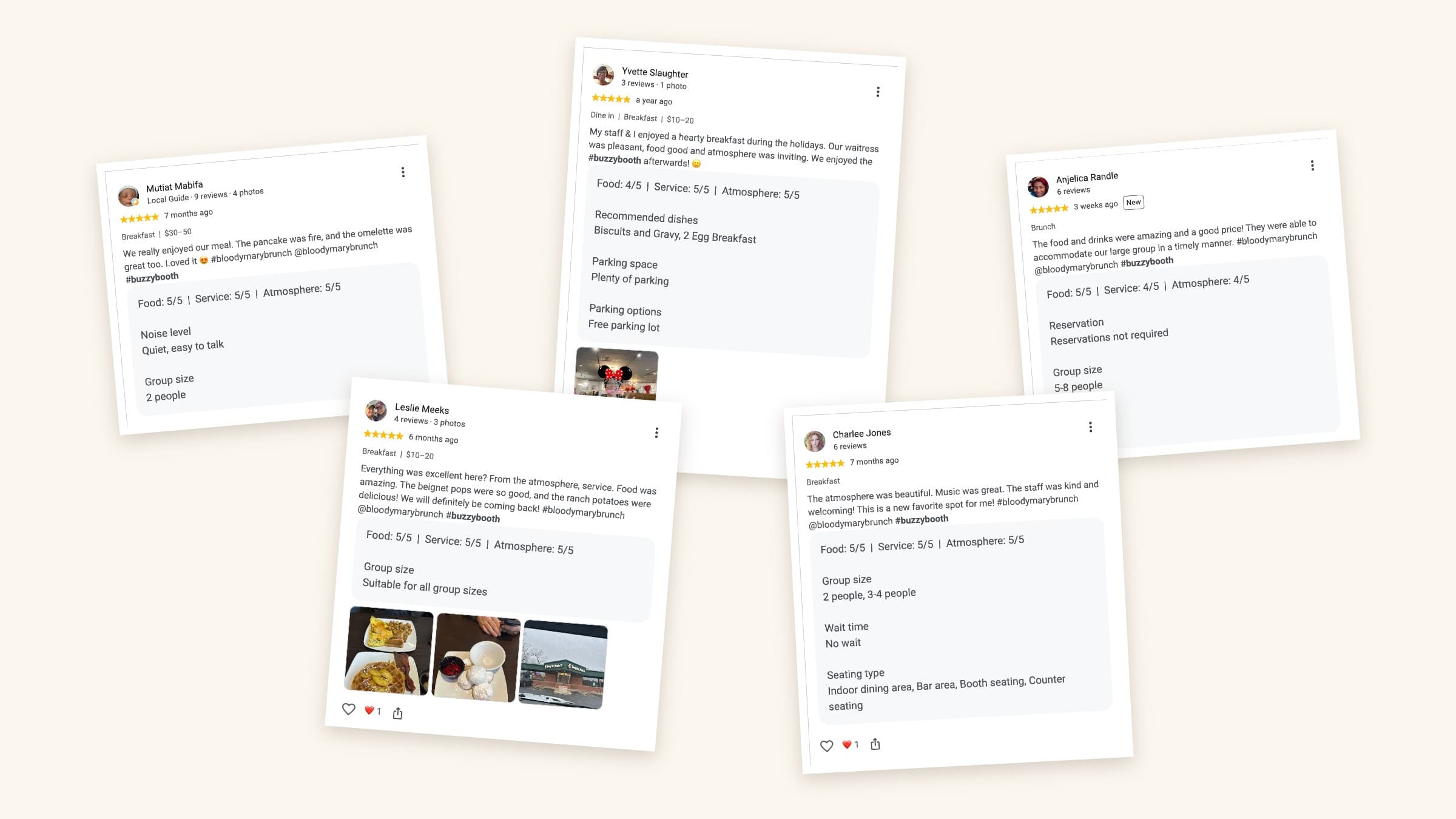
Why Google Reviews Matter to Restaurants
A restaurant's reviews influence two decisions at once: whether a prospective guest trusts the business and whether the business appears relevant in local search. A strong profile gives people recent evidence about food, service, atmosphere and consistency. A weak or neglected profile leaves that story to chance.
The goal is not a perfect rating. The goal is a steady stream of authentic feedback that accurately reflects the guest experience. Recency and consistency help prospective diners understand what the restaurant is like now, while thoughtful responses show that management pays attention.
Why Happy Guests Often Do Not Leave Reviews
Most satisfied guests do not naturally open Google after a meal. They pay, leave and continue with their day. The restaurant may have delivered a wonderful experience, but the request arrives too late, feels awkward for staff or requires too many steps. A repeatable process closes that gap.
Six Ethical Ways to Generate More Restaurant Reviews
- Ask soon after a positive visit. Send the request while the experience is still easy to remember, rather than weeks later.
- Use a direct review link. Remove unnecessary navigation so guests can reach the correct business profile quickly.
- Make the request part of an existing interaction. A receipt, reservation follow-up, loyalty message or branded photo delivery can create a natural moment to ask.
- Ask consistently. A dependable system produces a healthier review cadence than an occasional staff push.
- Invite honest feedback. Do not request only five-star reviews, screen out unhappy customers or condition an incentive on a positive rating.
- Respond to reviews. Thank positive reviewers, address concerns calmly and move sensitive conversations to an appropriate private channel.
Source: Google Business Profile guidance on getting more reviews
From Guest Experience to Stronger Reputation in Three Steps
1. Capture the Guest Connection
Give guests something useful or enjoyable—such as a branded photo or video—and let them send it to their phone. With clear consent, the restaurant now has a direct way to continue the conversation.
2. Request Reviews Consistently
Follow up after the interaction and invite the guest to share an honest review. Automation reduces the burden on staff and keeps requests from being forgotten during busy shifts.
3. Monitor and Respond
Bring reviews into one workflow, watch for new feedback and respond promptly. AI can help draft a response, but a team member should review it—especially when the review involves a serious complaint.
How BuzzyBooth Supports the Process
BuzzyBooth begins with an interactive guest experience inside the restaurant. Guests create a photo, GIF or video and enter their contact information to receive it. The platform can then trigger an automated follow-up that invites an honest review. In the backend portal, the restaurant can monitor feedback from major platforms and use Buzzy AI to draft thoughtful responses.
That connection matters because the request is not coming from a random purchased list. It follows a real, recent interaction with an actual guest.
Restaurant Review Results
Bloody Mary Brunch Company used BuzzyBooth to generate more than 8,000 guest photos and 387 five-star reviews in less than a year, while its Google rating increased from 4.3 to 4.6. Hurricanes Bar & Grill captured more than 14,997 customer contacts, generated more than 1,000 five-star reviews and raised its rating from 3.9 to 4.3.
These examples do not guarantee the same result for every restaurant. They show what becomes possible when review requests are attached to a consistent guest-engagement and follow-up system.
What Restaurants Should Avoid
- Buying reviews or using fake accounts.
- Offering rewards only when a guest posts a positive review.
- Sending only satisfied guests to Google while diverting unhappy guests elsewhere.
- Using the same robotic response for every review.
- Arguing publicly or disclosing private customer information.
Frequently Asked Questions
What is the best time to ask a restaurant guest for a Google review?
Ask shortly after the visit, while the meal and service are still fresh. The best moment is often a post-visit message connected to a reservation, purchase, loyalty interaction or BuzzyBooth photo delivery.
Can a restaurant offer a discount for a five-star review?
Restaurants should not make a reward conditional on a positive rating. Ask for honest feedback and follow the policies of the review platform as well as applicable advertising and consumer-protection rules.
Should restaurants respond to every review?
Responding broadly is a good practice when the team can do it thoughtfully. Prioritize detailed praise, questions, factual errors and negative feedback that requires a calm response or offline resolution.
Can review requests be automated?
Yes. Automation can send a timely, consistent request after an eligible interaction. The message should identify the business, make opting out clear where required and ask for an honest review.
Does BuzzyBooth guarantee five-star reviews?
No ethical platform can guarantee a rating. BuzzyBooth helps restaurants request genuine reviews consistently and manage responses more efficiently.
Turn More Guest Experiences Into Trusted Reviews
BuzzyBooth helps restaurants connect an enjoyable in-store moment with contact capture, automated follow-up and centralized review management. Book a demo to see how the workflow can fit into your restaurant.