
Businesses should respond to positive reviews with a specific thank-you and respond to negative reviews with empathy, calm facts and a clear path to resolution. The best replies sound human, protect customer privacy and help future readers understand that the business listens. AI can draft responses faster, but a person should approve sensitive replies.
How Businesses Should Respond to Positive and Negative Reviews
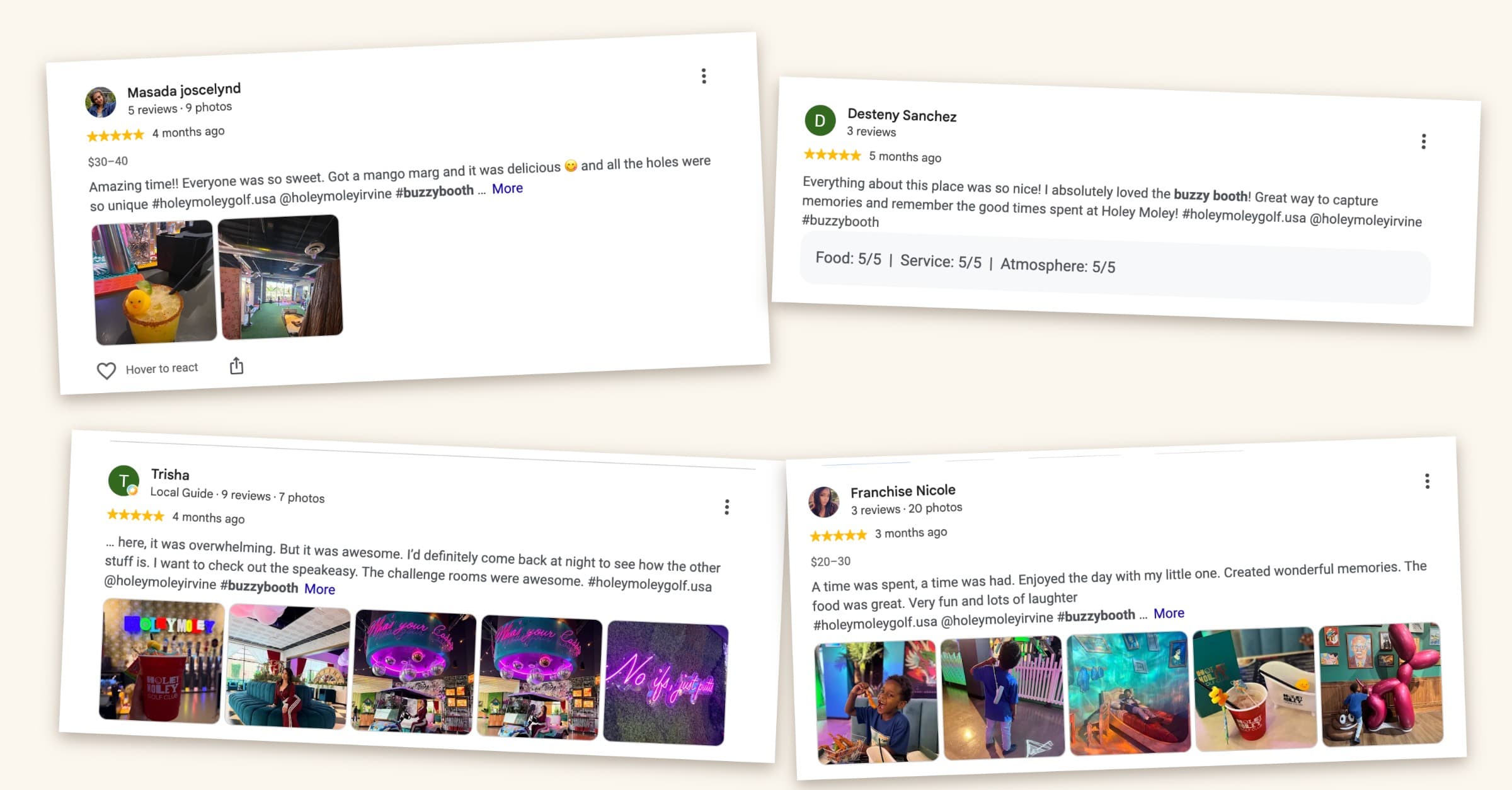
Why Review Responses Matter
A review reply is written for two audiences: the reviewer and every prospective customer who reads it later. A thoughtful response reinforces praise, clarifies misunderstandings and demonstrates how the business handles problems. Silence can make a legitimate concern appear ignored, while a defensive reply can amplify it.
Source: Google Business Profile guidance on reading and replying to reviews
A Simple Formula for Positive Review Responses
- Thank the customer by name when appropriate.
- Mention one specific detail from the review.
- Recognize the staff member, service or experience they praised.
- Invite them back naturally without turning the reply into an advertisement.
Positive Review Example
Thank you, Maya! We are glad your family enjoyed the birthday celebration and that Jordan made the group feel welcome. We appreciate you sharing the experience and hope to celebrate with you again soon.
A Simple Formula for Negative Review Responses
- Acknowledge the customer's frustration without arguing.
- Apologize for the experience or the gap between expectations and what occurred.
- Address a factual point only when necessary, and keep the explanation brief.
- Offer a private channel and a named next step for resolution.
- Document the issue internally and follow through.
Negative Review Example
We are sorry the wait and communication fell short during your visit. That is not the experience we want guests to have. Please contact our manager at [phone or email] with the date of your visit so we can look into what happened and follow up directly.
What Not to Say
- 'That never happened.' A public contradiction rarely resolves the issue.
- 'You should have...' Blaming the customer sounds defensive.
- A long explanation of internal staffing problems. Context can become an excuse.
- Private account, health, purchase or visit details that the customer did not disclose.
- A copy-and-paste reply that ignores the review's actual content.
When to Move the Conversation Offline
Move the discussion to a private channel when resolution requires order details, appointment information, payment data, employee investigation or any other sensitive context. The public reply should remain short: acknowledge the concern, provide a contact method and explain who will help.
For dental and healthcare-adjacent businesses, even confirming that someone is a patient may disclose protected information. Responses should remain general and should be reviewed under the practice's privacy and compliance procedures.
How Fast Should a Business Respond?
There is no universal deadline, but a practical target is to review new feedback daily and handle urgent complaints quickly. Speed should not replace judgment. A serious allegation, legal threat, safety issue or privacy concern should be escalated before the business replies publicly.
One Portal and an AI-Assisted Workflow
Review management becomes difficult when staff switch between Google, Yelp, Tripadvisor and location profiles. BuzzyBooth brings review monitoring into one portal and lets Buzzy AI draft a response based on the review. The team can edit the tone, add relevant context and approve the final reply.
A useful operating rule is simple: automate collection and drafting where appropriate; keep human control over empathy, facts, escalation and publication.
A Practical Review Response Checklist
- Does the reply address the actual review?
- Is the tone calm and respectful?
- Did we avoid private or unverified details?
- Is the next step clear when resolution is needed?
- Would we be comfortable if a future customer read this response first?
Frequently Asked Questions
Should a business respond to every positive review?
Responding to many or all positive reviews can strengthen relationships when replies remain personal. If volume is high, prioritize detailed reviews and vary the wording rather than posting identical responses.
Should a business apologize in a negative review response?
An apology can acknowledge the customer's experience without admitting disputed facts. Keep it sincere, avoid legal conclusions and move fact-intensive issues to an appropriate private process.
Can a business ask Google to remove a negative review?
A business can report a review that violates platform policy, but disagreement with the rating alone is generally not enough. Respond professionally while the platform evaluates any report.
Can AI respond to customer reviews?
AI can draft a fast, tailored starting point. A person should review accuracy, tone, privacy and escalation needs before the response is published.
How should a dental practice respond to a patient review?
Use a general response that does not confirm the reviewer's patient status or discuss care. Move concerns to a secure private channel and follow the practice's compliance policy.
Manage Reviews Without Managing Five Different Tabs
BuzzyBooth helps businesses request honest reviews consistently, monitor major platforms in one place and use AI to prepare faster responses. Book a demo to see the review-management workflow.