
Businesses can get more user-generated content by giving customers a fun, low-pressure reason to create it, making the experience easy and obtaining permission before republishing. Interactive photo and video experiences work especially well because customers receive something they want to save or share while the brand gains an ongoing source of authentic content.
How Businesses Can Turn Customers Into User-Generated Content
What Is User-Generated Content?
User-generated content, often shortened to UGC, is content created by customers or guests rather than by the brand's marketing team. It can include photos, short videos, testimonials, tagged posts, event moments and comments. A review can also become the foundation of a social post when the business has the right to use it and presents it accurately.
Why Customer Content Works
Polished brand photography still has a place, but it cannot replace evidence of real people enjoying a real experience. Customer content shows the atmosphere, emotion and participation that marketing copy can only describe. It can help prospective customers imagine themselves visiting and give the business a more active, credible social presence.
The business also gains variety. A single photoshoot produces a fixed library. A repeatable customer-content system produces new faces, celebrations, reactions and stories throughout the year.
Why Most UGC Programs Lose Momentum
Telling customers to 'tag us' is not a complete strategy. Participation drops when the creation process is unclear, the setting is uninteresting or guests receive no immediate value. Even when customers create good content, businesses often lack permission, organization or a fast way to turn it into a publishable post.
From Customer Moment to Social Content in Three Steps
1. Give Customers a Reason to Create
Use branded photo experiences, Snapchat-style filters, custom AI transformations, milestone prompts or testimonial questions that feel entertaining and relevant to the visit.
2. Make Saving and Sharing Easy
Let customers send the finished photo or video directly to their phone. Add clear branding that travels with the content without overwhelming the customer's moment.
3. Turn the Best Moments Into Posts
With appropriate permission, select strong customer content in the backend portal. Use AI to draft captions, campaign angles or supporting graphics, then have a team member review and publish.
Four Reliable Sources of Social Media Content
User-Generated Photos and Videos
Show real customers celebrating, dining, traveling or enjoying an activity. These everyday moments make the brand feel active and approachable.
AI-Generated Customer Experiences
Custom AI transformations can place a customer inside a brand-relevant concept—for example, turning miniature-golf guests into playful golf characters. The transformation creates novelty while preserving a genuine customer connection.
Guest Testimonial Videos
A short customer reaction can become strong social proof. The most credible testimonials usually sound natural: no actors, no scripts and no pressure to perform like a commercial.
Review-Based Posts
A thoughtful review can inspire a branded quote graphic or appreciation post. Attribute it accurately, follow the platform's terms and never alter the meaning of the customer's words.
How BuzzyBooth Creates a Repeatable Content Flow
BuzzyBooth gives customers an interactive way to create branded photos, GIFs, AI transformations and videos inside the business. Content is organized in the portal rather than scattered across staff phones and social inboxes. Buzzy AI can help turn selected customer photos, testimonials and reviews into post ideas, images and draft copy.
The human team remains in control. Staff members choose the content, confirm usage rights, adjust the message and decide what gets published.
Proof From Real Guest Experiences
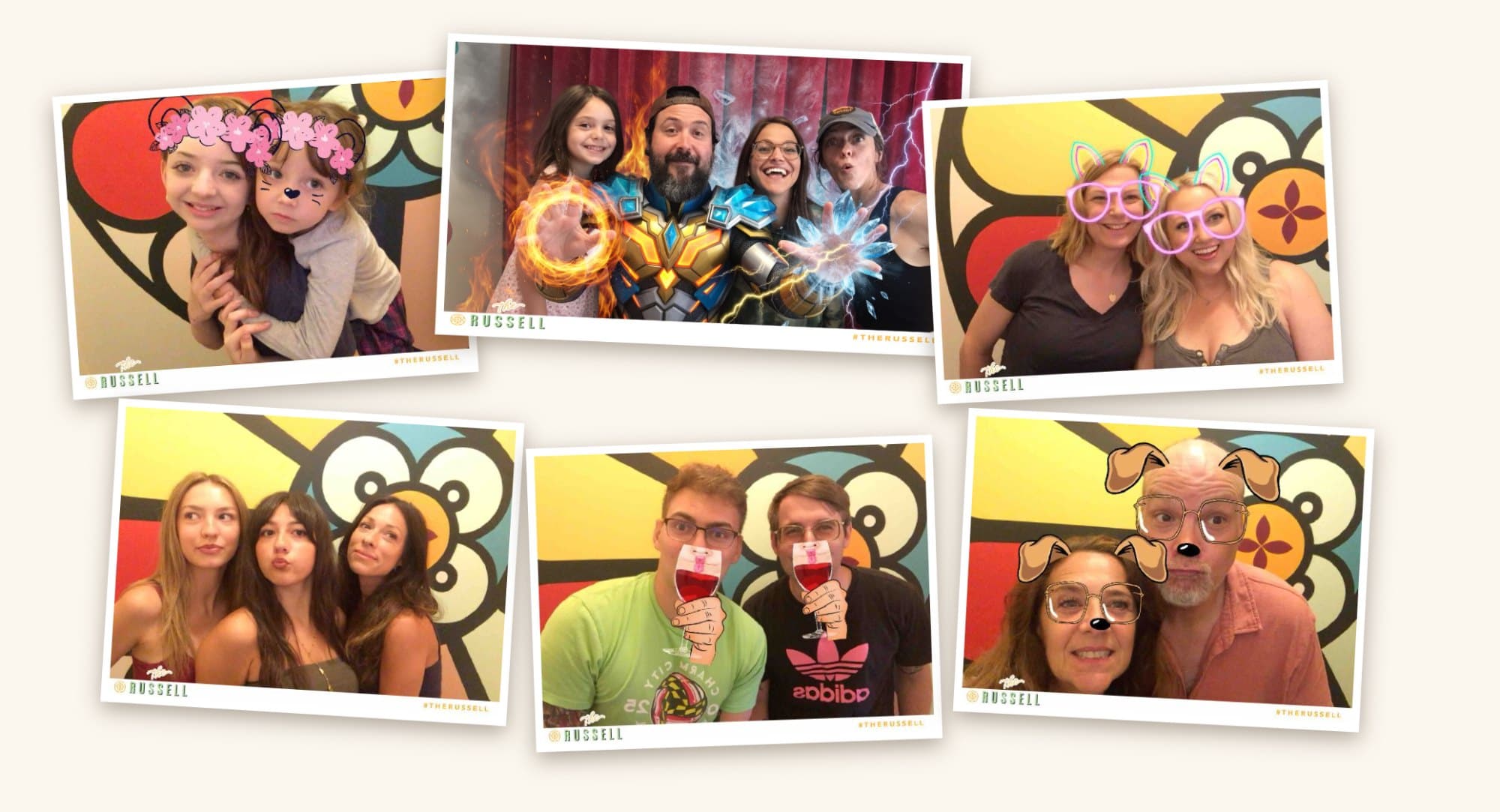
The Russell, a boutique hotel in Nashville, built a dedicated BuzzyBooth room and generated 8,106 guest photos with minimal staff involvement. Holey Moley introduced custom AI golfer transformations across its venues; sites generated thousands of photos within months, and the brand also collected more than 100 testimonial videos.
The lesson is simple: customers create consistently when the experience itself is worth participating in.
Permission and Brand Safety
- Explain how submitted content may be used and obtain the permission required for republishing.
- Keep a record of the applicable consent or release.
- Respect requests to remove content and avoid sensitive or embarrassing moments.
- Review AI-generated images and copy for accuracy, appropriateness and brand fit.
- Do not imply that a customer endorsed claims they did not make.
Source: FTC guidance on endorsements, influencers and reviews
Frequently Asked Questions
What counts as user-generated content?
Customer photos, videos, testimonials, tagged posts and other material created by people interacting with the business can all qualify as user-generated content.
Do businesses need permission to repost customer content?
Businesses should obtain the rights or permission required for the intended use. A public tag is not always the same as a broad commercial release, so the workflow and terms should be clear.
How can a business encourage customers to create content?
Offer an experience customers genuinely want to try, make the content easy to receive and share, and use prompts connected to celebrations, milestones or the brand.
Can AI help create social media posts from UGC?
Yes. AI can suggest campaign ideas, draft captions and create supporting graphics. A person should still verify permission, accuracy and brand fit before publishing.
How should a business measure a UGC program?
Track participation, usable-content rate, permission rate, shares, reach, engagement, profile visits and conversions tied to the campaign.
Create Social Content With Your Customers, Not Just About Them
BuzzyBooth combines an engaging in-store experience with organized customer content and AI-assisted post creation. Book a demo to see how your guests can become a consistent source of authentic brand content.